Luxury Homes For Sale in Cabo San Lucas
Cabo San Lucas is a stunning and vibrant coastal city at the southern tip of the Baja California Peninsula. Together with neighboring
San José del Cabo, it forms the renowned Los Cabos region, famous for its gorgeous resorts, pristine beaches, and lively nightlife. In and near Cabo San Lucas, there are also tranquil nature reserves, renowned fishing spots, and elite golf clubs with immaculate views that you won’t find anywhere else.
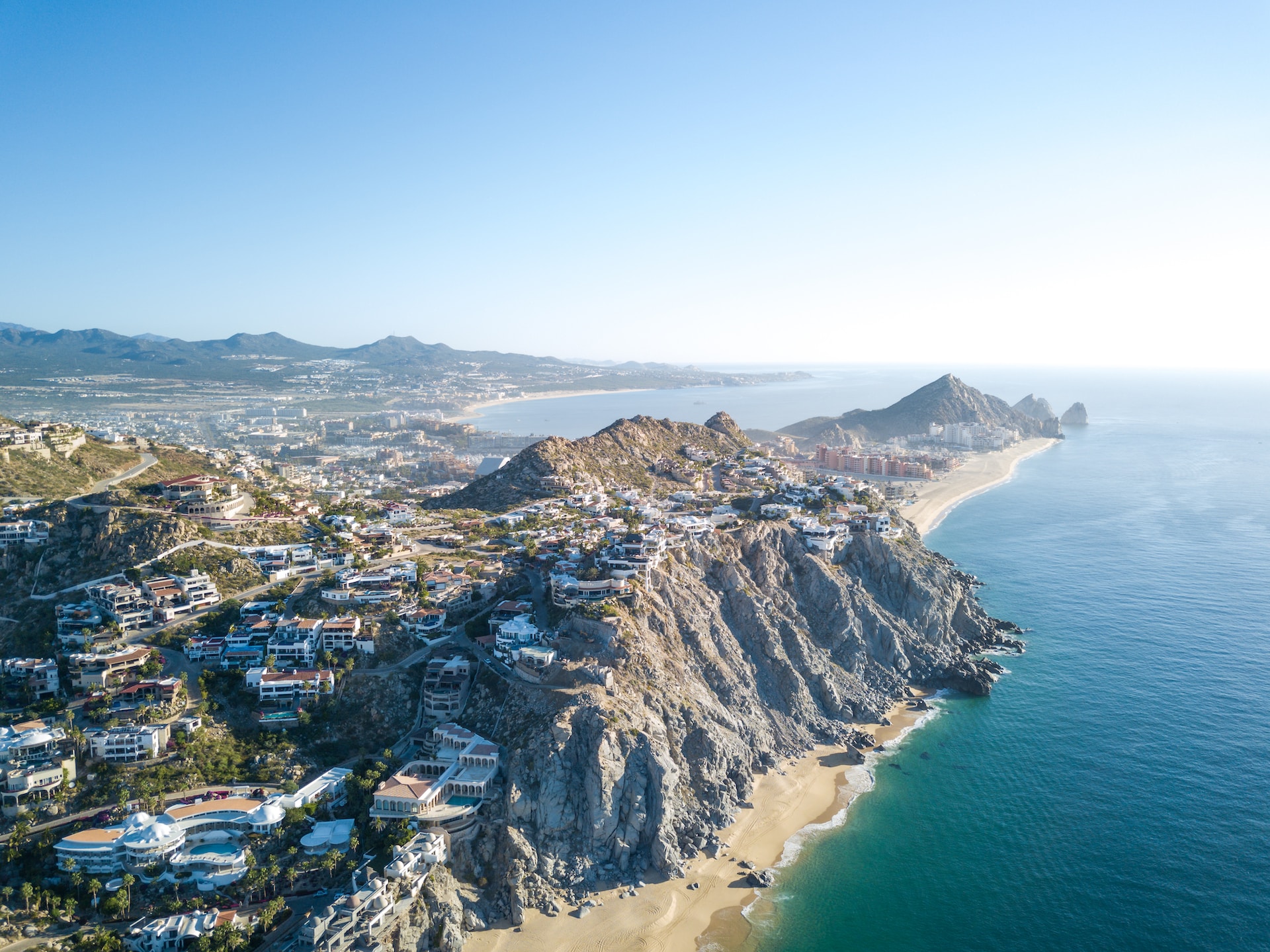
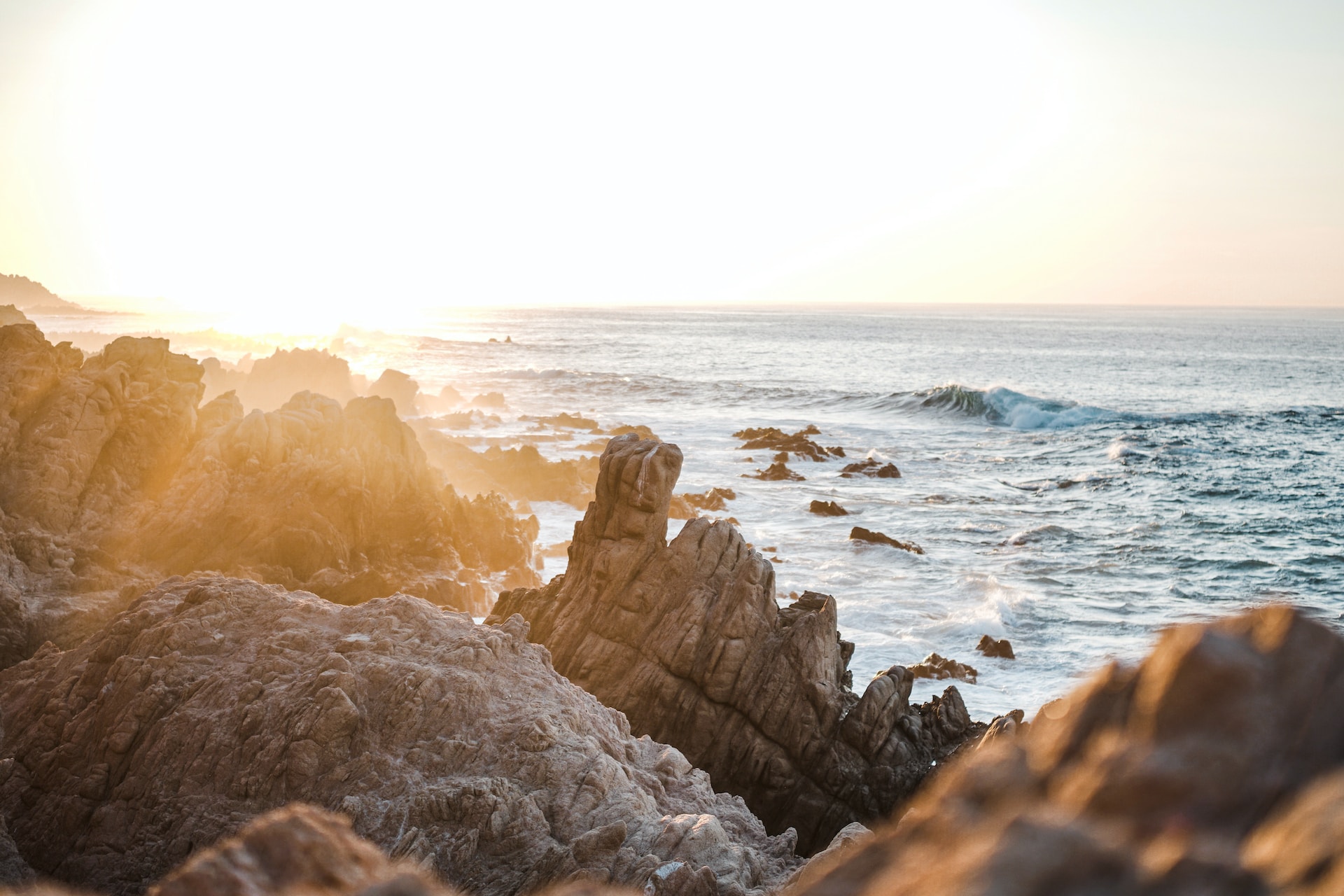
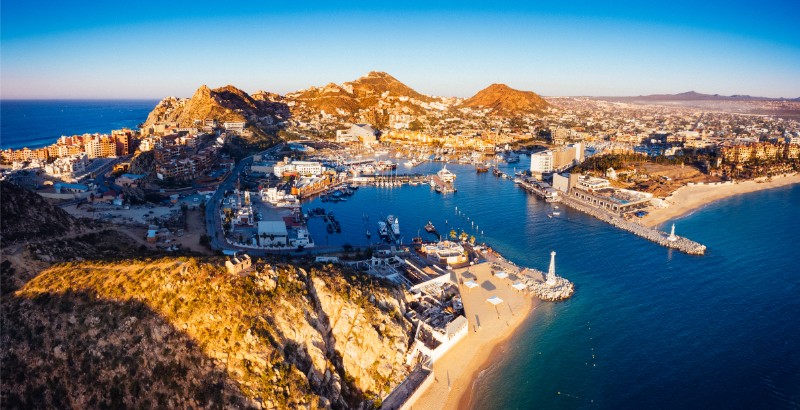
Cabo San Lucas is bound by the vast Pacific Ocean to the west and the tranquil Sea of Cortez to the east. Located in a geographic location that contrasts rugged desert landscapes and sparkling coastlines, its natural beauty is the perfect location to build some of the finest luxury homes in the world.
All of this combined with the region’s welcoming community make Cabo San Lucas a place that people not only want to visit but make a home. Let’s explore the local real estate market and what Cabo San Lucas has to offer the discerning buyer.
Cabo San Lucas Luxury Real Estate
Luxury can be hard to define, but as they say, you’ll know it when you see it. High-end houses in Cabo San Lucas exude luxury — breathtaking ocean views, elegant exteriors, and distinct architecture make these properties stand out even against other luxury properties around the world.
Luxury Homes for Sale in Cabo San Lucas
Many luxury homes here are oceanfront or close to the best beaches and residents can take advantage of world-class amenities both shared and private.
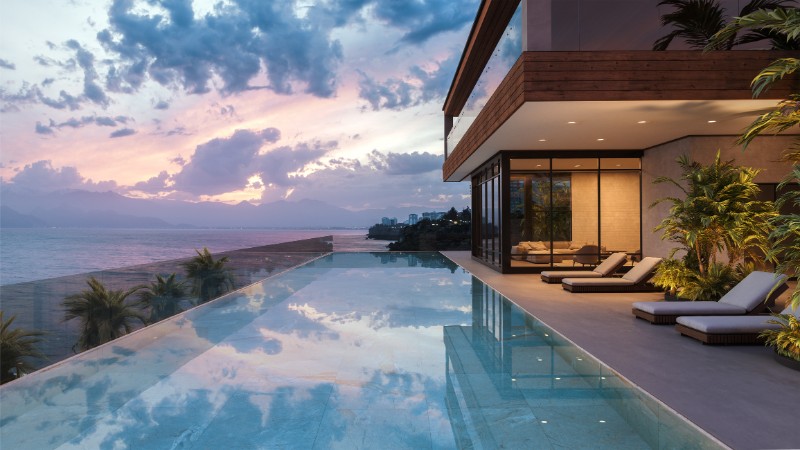
Expect to find features that elevate the living experience, including spacious living areas with soaring ceilings, chef’s kitchens, and luxurious finishes. Private pools or jacuzzis are common, with some properties including an indoor game room, wine cellars, and spa-like bathrooms to capture the coastal lifestyle.
Luxury homes for sale in Cabo San Lucas can have up to nine bedrooms and as many as 11 bathrooms and some properties span well over 20,000 square feet. In Cabo San Lucas you’ll find a wide range of architectural influences, including traditional Mexican, Mediterranean, and Contemporary or Modern.
Noteworthy Neighborhoods and Resorts in Cabo San Lucas
-
PEDREGAL – One of the finest residential developments in Cabo San Lucas, Pedregal is an upscale neighborhood lying on the southern edge of the city. It’s often compared to Hollywood Hills due to its beautiful homes and breathtaking scenery. Real estate in this area is typically luxurious, custom-built, and close to the water, making it a highly coveted address in Cabo.
-
MARAVILLA – Maravilla is an exclusive upscale community of only 230 homeowners, with properties ranging from custom homes to oceanfront villas. Residents have access to a full suite of amenities, including the Twin Dolphin Club, which includes a Clubhouse, an upscale restaurant, an 18-hole golf course, and a 40,000-square-foot spa.
-
VILLA LA ESTANCIA – Villa La Estancia is a luxurious collection of upscale condominiums known for its five-star service and lavish amenities, which include a pool, spa, fitness center, and grocery store.
-
HACIENDA BEACH CLUB – Set across the stunning El Medano Beach, Hacienda Beach Club offers direct access to the water, a full-service spa, and exquisitely designed residences. In each villa or suite, you’ll find natural stone finishes, hardwood doors, and impeccable views of Land’s End.
The Cabo San Lucas Lifestyle
With its postcard-perfect landscapes and exhilarating nightlife, life in Cabo San Lucas is never dull.
Beaches
-
Playa El Medano, or Medano Beach, is one of the most visited beaches in Los Cabos. Its location in central Cabo San Lucas ensures it’s always lively with visitors swimming, kayaking, or dining at one of the many restaurants and bars.
-
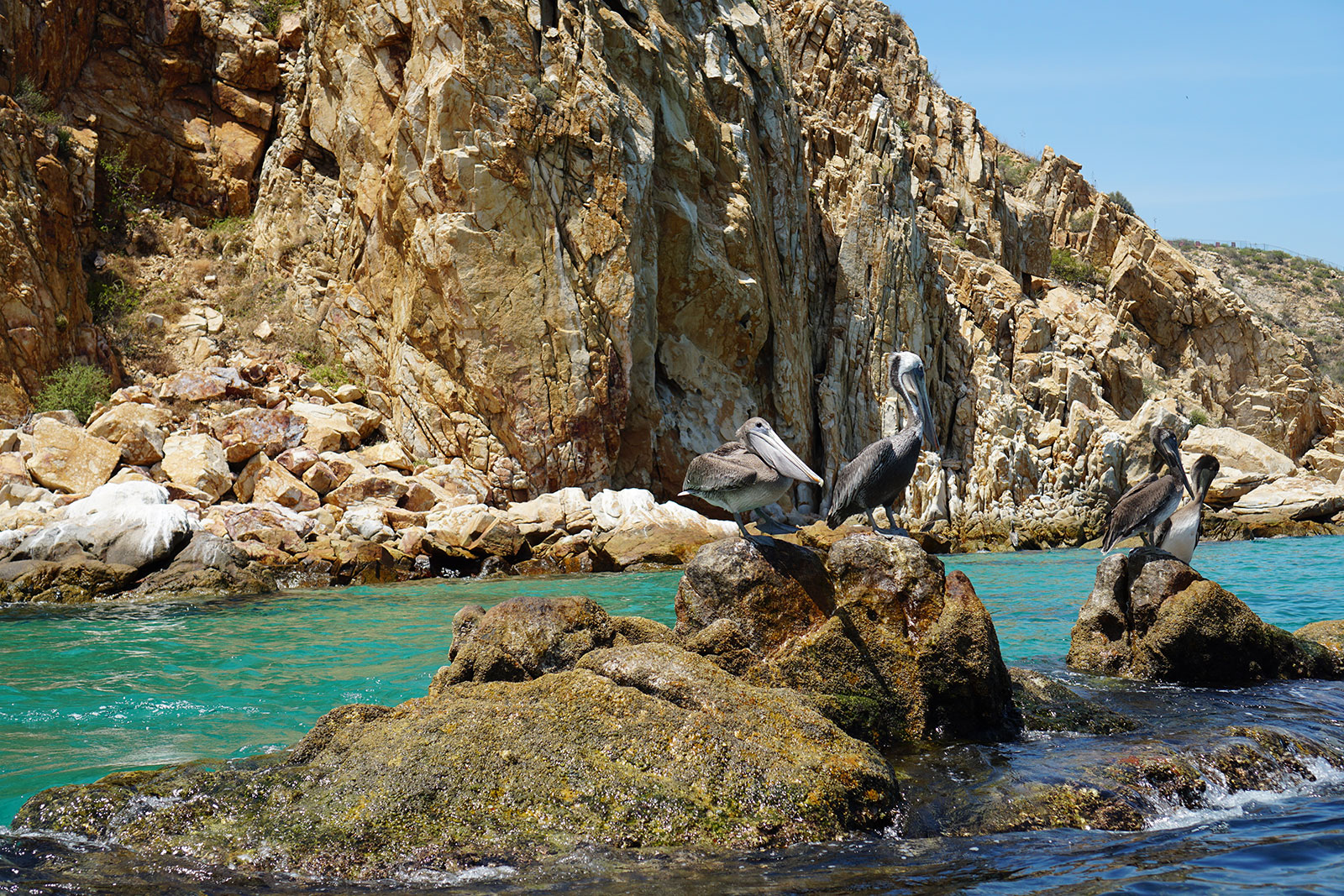
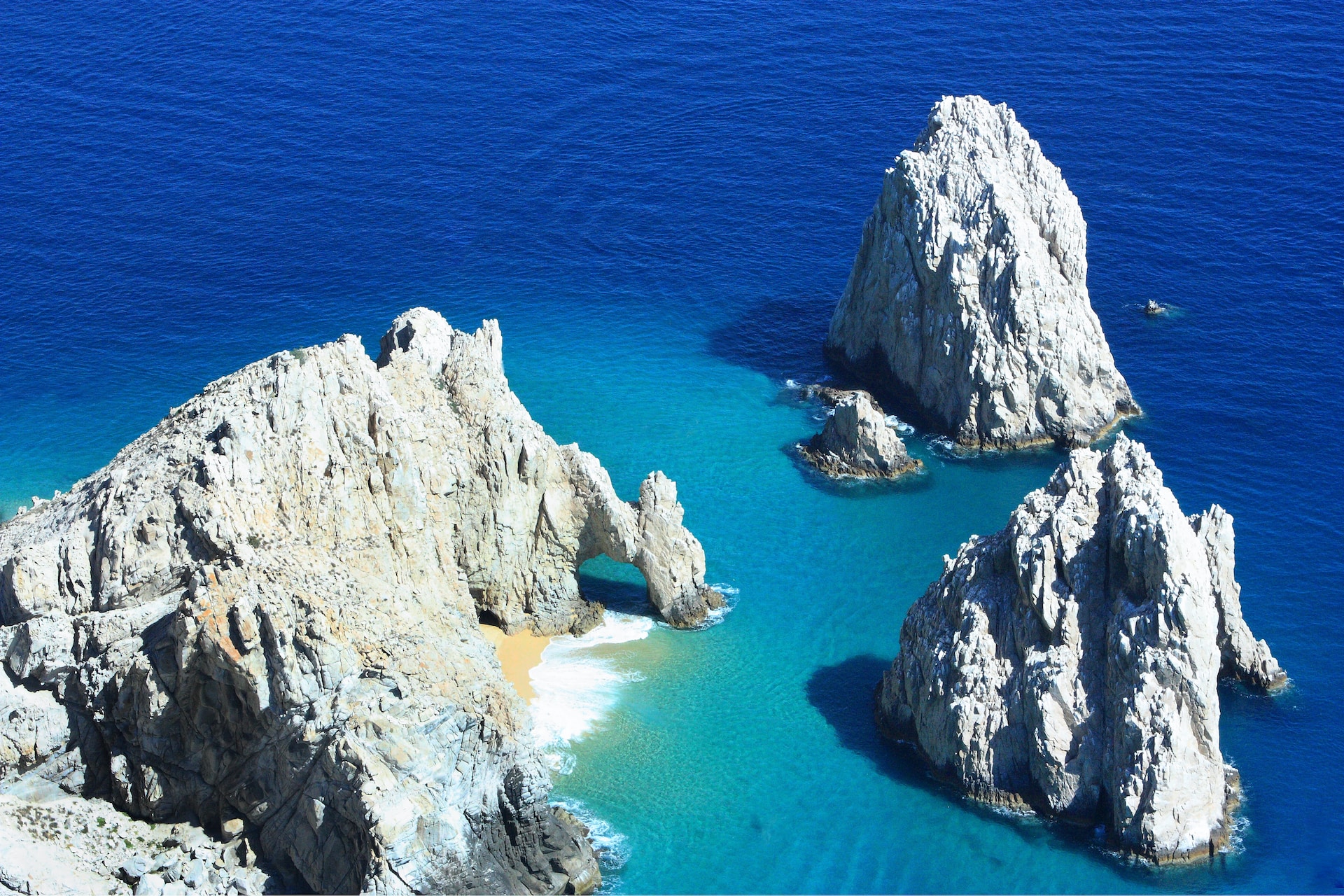
Playa del Amor, also known as Lover’s Beach, is secluded and small. Lying between two large granite formations, this beach can be accessed from El Medano via a water taxi. The waters here are rich with diverse marine life, making it the perfect scuba diving and snorkeling destination.
Natural attractions
-
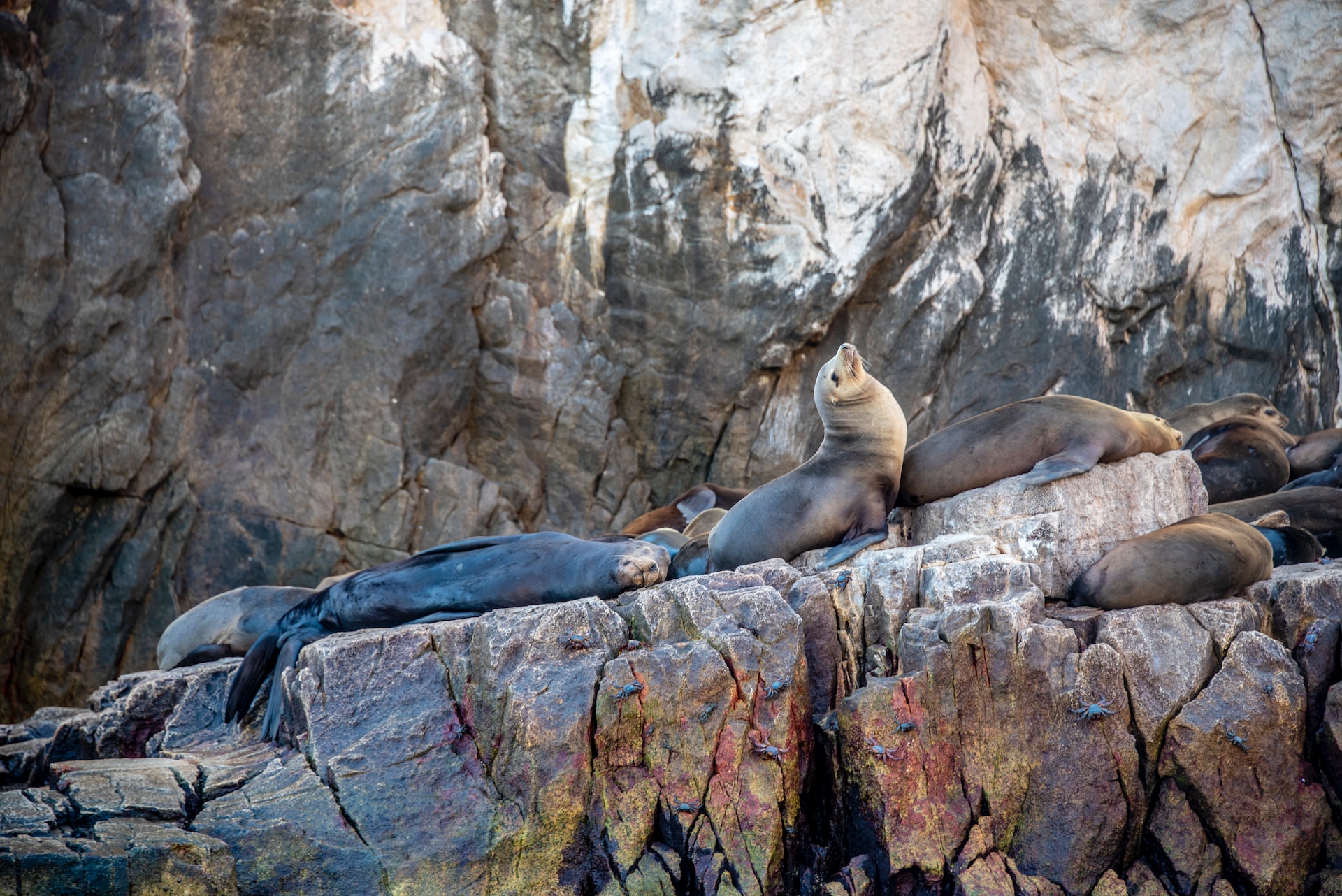
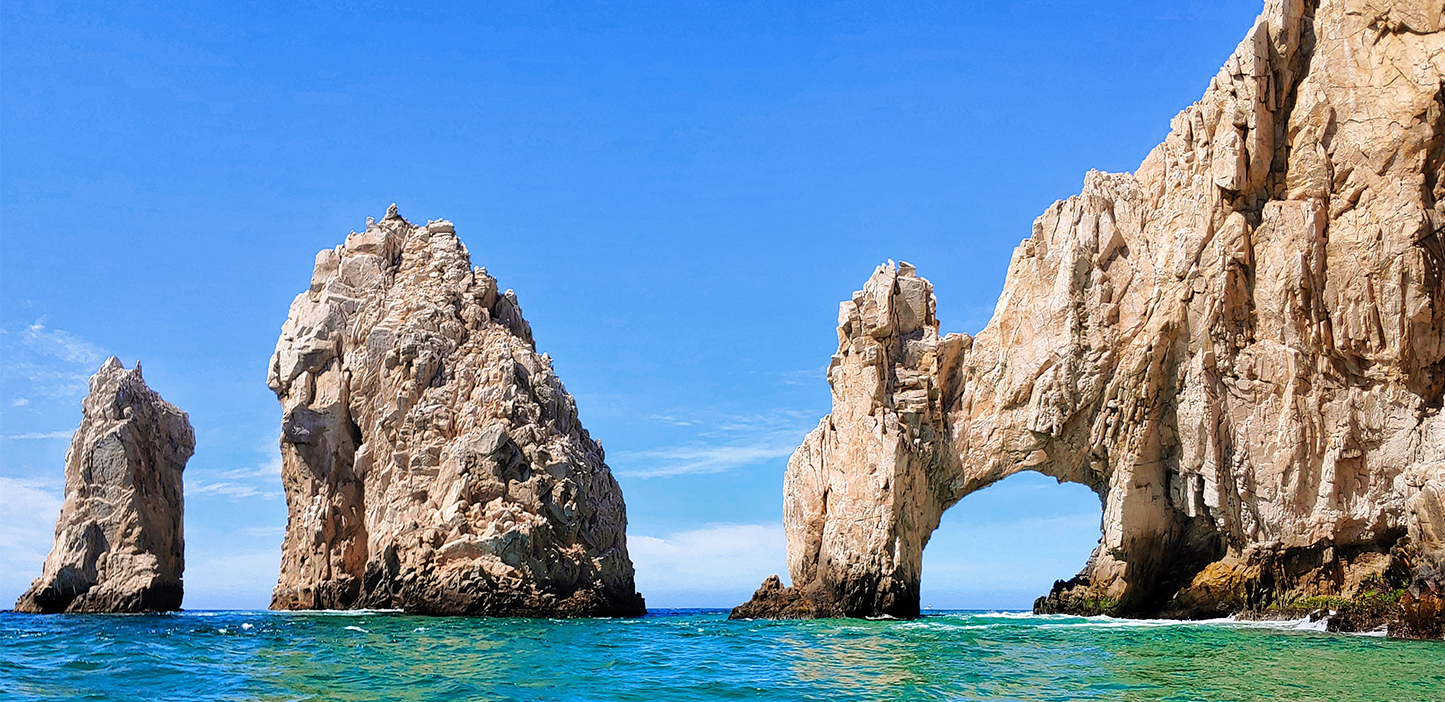
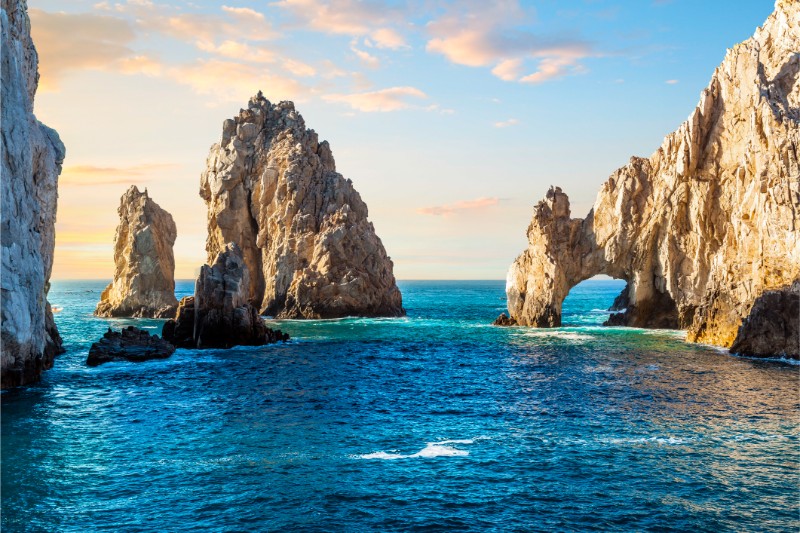
El Arco or the Arch is one of the most recognizable sites in Cabo. Found on the southernmost end of the Baja California peninsula, the Arch is also a prime location for scuba diving and snorkeling thanks to its abundant and colorful marine life. You might even spot sea lions and migrating whales in the winter.
-
If you’re looking for a more tranquil environment head for Playa Balandra. Famous for its clear waters and prominent geographical formations, this natural sanctuary lets you enjoy the beauty of Cabos. Whether you’re looking to hike, snorkel, swim, or simply want to admire the surroundings, this UNESCO World Heritage Site has something memorable to offer.
Shopping
Plaza Puerto Paraiso is a multi-level shopping complex that sells everything from clothing to beachwear and local handmade products. The plaza includes several art galleries, dining options, and entertainment facilities such as a cinema and a casino. Luxury Avenue on Paseo de la Marina anchors several high-end brands, including APM Monaco, Carolina Herrera, Salvatore Ferragamo, and Montblanc.
If you’re in west Cabo San Lucas, you’re close to Plaza Bonita. This shopping center offers a diverse lineup of souvenir and gift shops, cafes, restaurants, and bars.
Dining and Nightlife
It should not surprise anyone that the gastronomic scene at Cabo San Lucas is as rich and eclectic as its culture. From fine dining to casual beachside spots, you’ll find no shortage of delectable eats. Some of the local favorites include Mezcal at Montage Los Cabos, a sophisticated restaurant featuring creative Mexican cuisine; Invita Bistro, a stylish dining spot Downtown serving up Mediterranean fare; and El Huerto Farm to Table, which takes guests on a culinary journey through Baja California. El Squid Roe and Cabo Wabo are great for drinks and parties late into the night.
Your Paradise in Cabo San Lucas
Become part of the Los Cabos community and experience unparalleled luxury on an azure coast. With Azimuth Real Estate, your dream property in Cabo San Lucas can become a reality. As a boutique real estate firm, we specialize in some of the finest Los Cabos luxury real estate, including select luxury homes for sale with a focus on Cabo San Lucas, San José del Cabo, La Ribera, La Paz, and Todos Santos.
Get in touch with our team at +52.624.688.6761 or send us an email to get started.